
Buyer Guide
Inflatable Bottle and Can Replica Artwork: A Pre-Production Approval Checklist
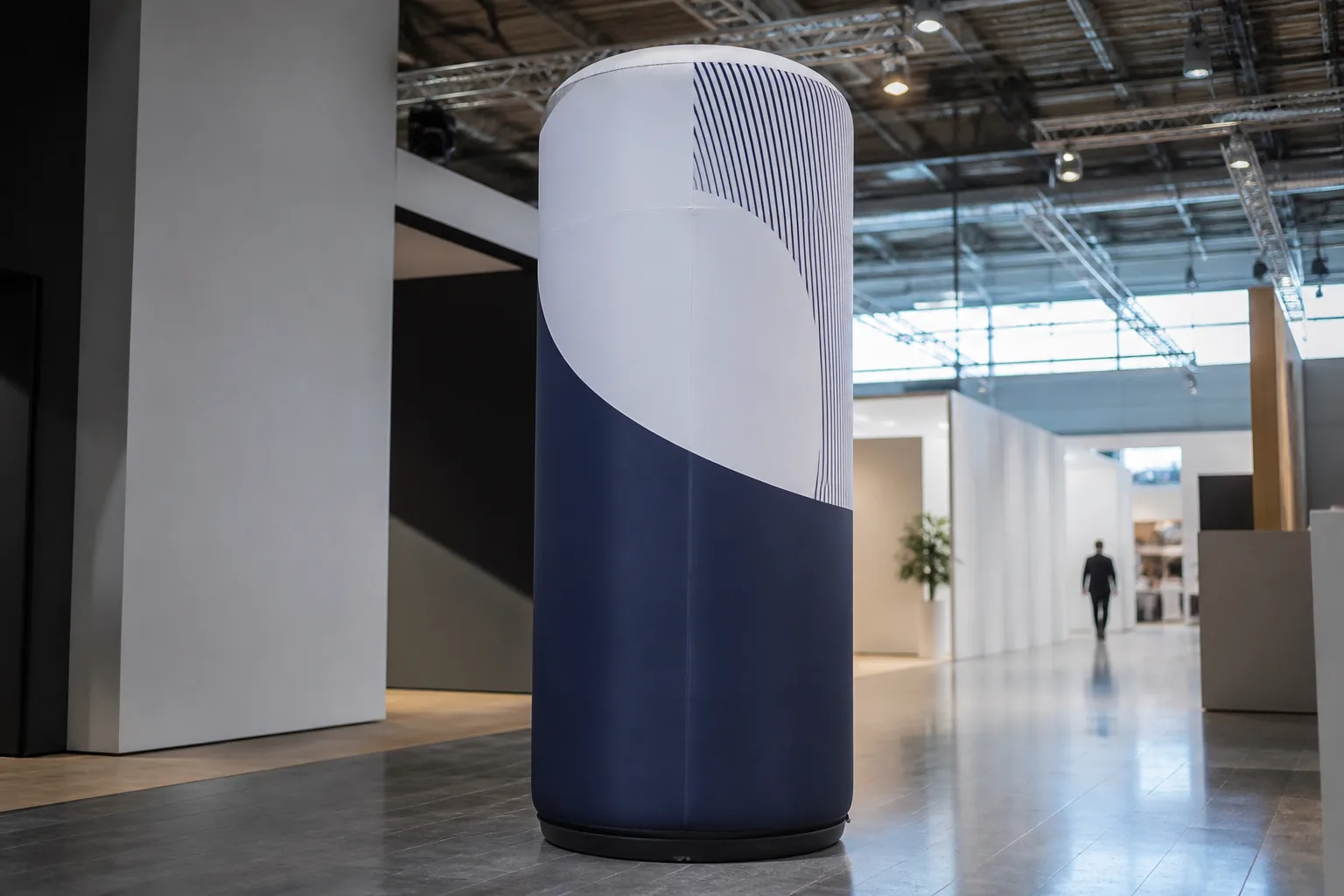
A bottle or can replica is not ready for manufacturing when only the front-view rendering is approved. Brand and agency buyers should sign off the full three-dimensional silhouette, label source files, front/side/back views, critical-copy placement, panel seams, color references, fan or valve position, permitted logo use and an identified revision. Ask the supplier to show which elements are illustrations and which are production-ready drawings before approving print and construction.
By InflatCraft Product Team • Last updated
Who this guide is for—and what it is not
A marketing agency may have a polished 3D advertising render, while a brand owner has original packaging artwork and a distributor has only photographed samples. All three may ask for a giant promotional bottle or can for a retail launch, roadshow or trade show. The critical procurement task is converting those references into a single controlled production brief. This guide is intended for business buyers in the United States, United Kingdom and Australia who need brand recognition and repeatable approval across the manufacturer, creative team and event installer.
The guide concerns non-occupied advertising displays. It does not certify material performance, guarantee artwork reproduction, provide trademark advice, replace venue or electrical approval, or imply that a supplier can reproduce a protected brand without permission. Start with the Inflatable Product Replicas category and the Inflatable Bottle Replica page for shape-specific purchasing context.
1. Separate the three assets buyers often call 'the artwork'
A photographed retail product establishes visible features and approximate proportions, but it may conceal the rear label, cap profile or curved base. A flat print file establishes typography, colors, graphics and layout; it does not determine an inflatable pattern. A conceptual 3D render proposes how those elements might look together, but a render can hide panel joins, air inlets, supports and manufacturing constraints. Each asset solves a different question, so specify exactly what the supplier may rely on for dimensions and approval.
Request three named deliverables: a dimensioned shape drawing that controls overall height, width and depth; a print layout showing visible graphics on the actual proposed panels; and an assembly or installation note identifying inflation components, access and restraints. A supplier's technical review may require compromises to preserve the recognizable shape. These must be returned to the brand approver explicitly, not buried in a revised mockup.
2. Capture the bottle or can silhouette in a dimensioned brief
Record the finished overall height, maximum body width, maximum depth and preferred viewing directions. For a bottle, call out shoulder slope, neck length, cap diameter, base curvature, label width and the relationship between the cap and body. For a can, identify the lid, rim, straight-sided cylinder and base proportions. If a miniature retail pack is used as a reference, photograph the front, back, sides and top against a ruler rather than assuming an enlargement factor preserves every manufacturing detail.
Shape accuracy has limits because inflated fabric forms curved surfaces and requires seam allowances and internal or external support. Thin grooves, sharply undercut handles and very small printed details may not scale directly. Ask the manufacturer to identify deviations from the source packaging on the approval drawing, and require the buyer to choose which features matter most from a normal viewing distance. Exact dimensional tolerances are quotation-specific, not universal website promises.
3. Supply original label graphics and a list of 'must-read' elements
Send the editable label, logo and graphics file when the rights holder can provide it, plus linked images, font information and a written reference for the approved brand colors. Adobe's Illustrator package-file guidance explains why linked assets and font handoff matter; actual file formats and licenses should be agreed with the printer. A screenshot or compressed product image is a helpful recognition reference but is rarely an adequate substitute for a final large-format artwork package.
Mark the parts that must remain legible: brand wordmark, product name, hero illustration, flavor or variant, legal copy if required for the event, and any launch campaign message. Also identify text that should not be reproduced, such as a barcode or microprint irrelevant to a promotional prop. Keep a distinction between the visual advertising object and the retail product label; the inflatable is not packaging sold to consumers, and its printed details should reflect approved campaign intent.
4. Inspect seams and distortion before approving a hero view
A rectangular label flattened on screen will wrap onto a curved bottle or can. As the viewing angle changes, edges move out of sight and typography can appear squeezed. Seams, vents and access closures may interrupt the graphic. Ask for a front view at the primary audience angle, a back view, both side views and at least one three-quarter view. The panel map should identify the position of any construction seam that intersects a brand element.
If the logo crosses two fabric panels, verify what happens at the join and whether a different placement would improve consistency. Do not approve only a perspective image that conveniently hides the difficult seam. A good brand review asks whether the key message is readable from the real photography and pedestrian sightlines, not whether the flat PDF looks perfect at 100% zoom. Placement and safe zones depend on the actual pattern and print process; no generic bleed measurement should be presented as a factory specification.
5. Agree color evidence without claiming a guaranteed screen match
Screen previews are not a controlled physical color proof. Printed appearance can change with material finish, light, viewing angle, ink system and the combination of white, translucent or colored substrate. Provide brand color references and, where available, an approved physical color target. Ask which proof can actually be supplied for this job: a digital layout review, a small material print sample, or a production-section inspection. Label each proof accurately so it is not mistaken for the final object.
If several event units must look consistent, define the allowed reference and who judges deviation before production begins. Confirm whether the print will be viewed in daylight, venue lighting or illuminated operation. Photos taken under uncontrolled lighting are useful for detecting placement defects, not as definitive color measurements. The supplier must state any sample fee, timing and approval scope rather than promising a universal color tolerance.
6. Review blower, valve, cable and restraint locations as design features
The printed shape is only one part of the proposed installation. A continuous-air display may need a blower or air inlet that changes how the rear profile looks; a sealed-air option has its own valve and inflation planning. Power cables, access zips, attachment loops, ballast and approved anchor points also influence the visual and usable footprint. Place them on the drawing before the brand approver signs the final print layout.
An attractive front-facing render does not establish safe use. Confirm the actual air system and intended indoor or outdoor operating conditions against the blower selection guide and outdoor anchoring guide. Power, wind and surface arrangements require venue- and product-specific review. A floor-standing proposal must not be silently changed to a suspended display without fresh technical and venue approval.
7. Verify logo and artwork permissions at the ordering stage
Before releasing a branded inflatable for manufacture, the buyer should identify the trademark or artwork owner and document their authorization to reproduce the supplied materials for the stated project and territory. A reseller, event agency or franchisee may have legitimate rights, but those rights should not be inferred from an email signature or an image downloaded from the internet. Clarify whether the approved scope covers manufacture, shipment, event display, publicity photographs and any retained sample.
When rights are uncertain, use a neutral unbranded placeholder for early feasibility drawings rather than publishing a third-party logo. Keep the letter of authorization, purchase order reference and artwork-version record with the project documents; limit access to legitimate collaborators. The precise legal requirements can differ by jurisdiction and contract, so the buyer should seek professional advice when necessary. This guide is a procurement control, not a legal conclusion.
8. Use a controlled approval matrix before the deposit or print release
A simple approval register reduces the chance that a marketing stakeholder signs a beautiful concept while the supplier proceeds from an older manufacturing file. The fields below are a suggested buyer-side register—not a claim that InflatCraft has adopted a particular certified quality system.
| Approval item | Evidence to review | Decision owner |
|---|---|---|
| Silhouette | Dimensioned front, side and top drawings; identified changes from source pack | Brand owner + supplier technical reviewer |
| Visible graphics | Panel artwork with logo, text and seams marked | Brand creative lead |
| Color | Named color references and agreed sample/proof conditions | Brand approvals lead |
| Operations | Air-system option, access, cables, fixings, service space | Event producer / competent installer |
| Rights | Written permission for third-party marks and artwork scope | Rights holder / authorized buyer |
| Revision | File name, revision code, date, approved notes and sign-off | Named project owner |
| Commercial scope | Quantity, included accessories, packing, term and destination | Procurement + supplier |
9. Treat a production proof as evidence of specified checks—not a venue certificate
Define which inspection views are expected before shipment: front and rear inflation photographs, close-ups of critical graphics and seams, dimensions taken against the approved drawing, kit accessory count, and any agreed functional checks. A short operating video may help show overall form and visible blower operation. The checklist should distinguish what was observed, the conditions of inspection and which items remain outside that scope.
Photos of one approved sample do not prove every future unit is identical; batch acceptance and inspection sampling must be agreed if ordering several replicas. Nor does factory inflation prove that a venue will permit the proposed installation. The buyer or installer still needs to handle site access, power compatibility, anchoring and any local documentation. If a print or dimension discrepancy is found, raise it against the version-controlled approval file before authorizing shipment.
10. Make a multi-unit order repeatable across campaigns
If an agency orders multiple bottles or cans for a regional roadshow, capture a master design number, variant names, permitted artwork changes, packaging labels and the included accessory list. Record whether a later order may use the same pattern or requires a new review because the artwork, dimensions or air system changed. One version should be traceable through quotation, proofing, production and the packing list.
For shipments to multiple countries, separate the shared creative design from destination-specific operational issues such as voltage, plugs, consignee details and event rules. Use the relevant market planning pages for the United States, United Kingdom or Australia. Market pages explain planning considerations; they do not guarantee customs clearance, import eligibility or event approval.
11. Copy this RFQ brief for a procurement-ready first review
Send the items below together with artwork files using the Request a Quote form. Mark unknowns as pending rather than inventing measurements, production dates or guaranteed compliance.
| Buyer field | Example of useful detail |
|---|---|
| Buyer and owner | Company and contact; authorized brand or licensee; design approver |
| Product | Inflatable bottle or can replica; relevant original pack photographs |
| Geometry | Target height × max width × depth; cap/rim proportions; preferred sightlines |
| Printing | Editable artwork, linked assets, color references, must-read graphic zones |
| Quantity | Number of units; repeated variants or different languages |
| Installation | Indoor/outdoor; standing or proposed suspension; venue/site rules; power |
| Destination | Delivery country, postal code, receiving party and on-site date |
| Approvals | Who signs shape, print proof, brand rights and final QC acceptance |
| Quotation scope | Included kit, blower/valve, accessories, sample or proof, shipping term |
The buying decision: approve one controlled specification
The strongest RFQ is not the longest email. It is a brief that makes the remaining unknowns visible: geometry, visible graphics, IP authorization, installation constraints and commercial handover. Use a single approved revision of the three-dimensional drawing and print layout as the reference for both quotation and acceptance. If any input changes, request a revised quotation or drawing rather than assuming the original scope still applies.
For a brand activation, coordinate the Product Launches application context with the product category; for a show stand, review the Exhibitions & Trade Shows planning page. To move from research to a project-specific supplier review, submit the dimensional brief, artwork permission status, quantity and delivery destination through InflatCraft's RFQ form.
Product Replica Guides
More on inflatable product replicas.
How Inflatable Product Replicas Are Scaled
How a bottle, can or carton becomes an oversized inflatable: which dimensions the factory works from, which details survive enlargement, and what the venue and transport limits do to the final size.
What a Factory Needs to Quote a Replica
Why replica quotes come back slow, wide or full of caveats, and the specific inputs that let a manufacturer price the real project instead of guessing at it.
Sealed-Air vs Blower Inflatable Replicas
The air system decides where a replica can be installed, what it costs to run, and who has to look after it. How to choose between a sealed unit and one on a continuous pump.
Indoor vs Outdoor Inflatable Replicas
Moving a replica outdoors changes the material specification, the air system and the anchoring. What to specify differently, and what an indoor unit can get away with.
Compare sizes, materials and air systems on the inflatable product replica specifications page before sending an RFQ.
Relevant Product Pages
Compare specifications before submitting an RFQ.
Related Project Example
Buyer FAQ
