
Buyer Guide
PVC vs. Oxford Fabric: Choosing Materials for Custom Advertising Inflatables
Choose between PVC-coated fabric, Oxford fabric, or another project-appropriate inflatable textile from the product shape, size, installation environment, surface finish, air system, and reuse plan—not from a universal material rule. PVC is commonly used for commercial inflatable structures and may be specified around a typical 0.40–0.55 mm range where suitable, while the final material and thickness must be confirmed against the approved design and operating conditions.
By InflatCraft Product Team • Last updated
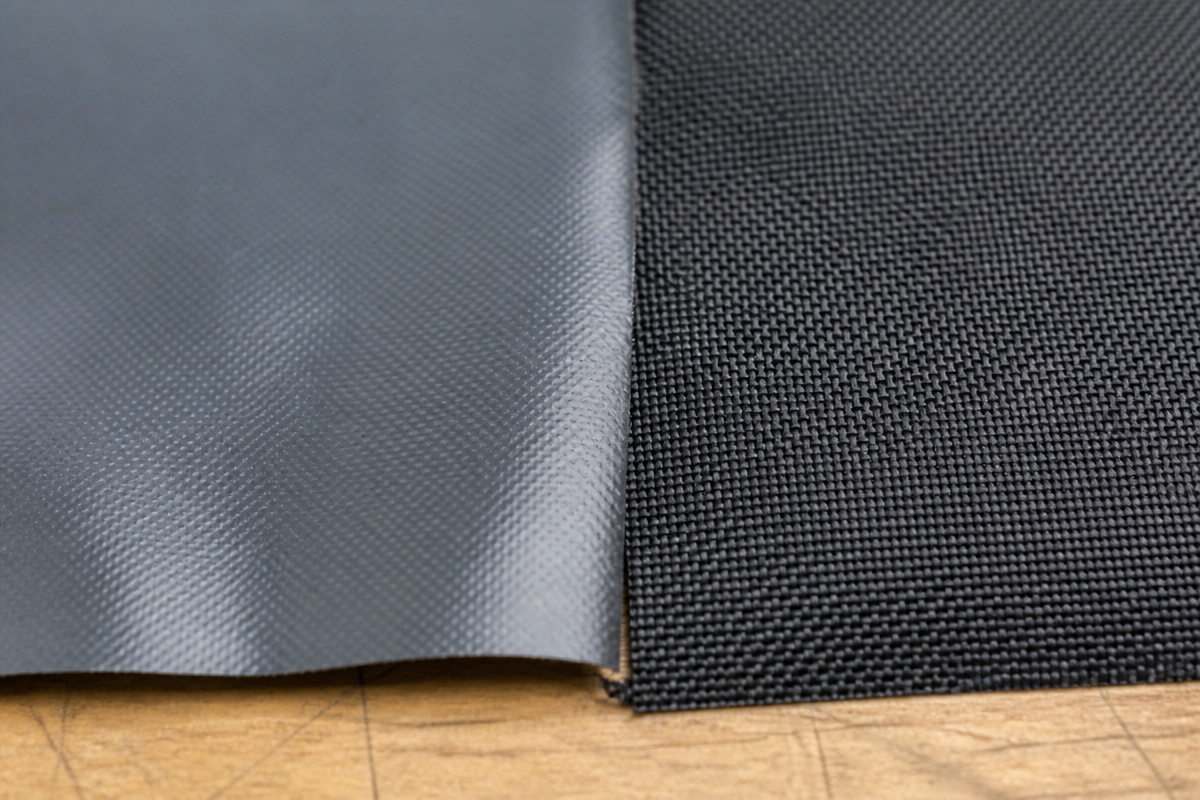
What is the practical difference between PVC and Oxford fabric?
PVC-coated fabric provides a coated surface commonly used for commercial inflatable structures and printed graphics. Oxford fabric may be considered when the project calls for a different textile feel, weight, or construction route.
The correct choice depends on how the inflatable will be shaped, inflated, installed, printed, packed, and reused.
How should the installation environment affect material choice?
Indoor display, temporary outdoor use, suspended installation, and repeated touring use place different demands on seams, attachment points, surface contact, packing, and protection from site conditions.
The RFQ should describe the environment and expected reuse rather than simply requesting the thickest available fabric.
Which material specifications need written confirmation?
Confirm the selected textile, applicable thickness range, surface finish, print method, seam construction, air system, anchoring, and any requested flame-retardant or destination documentation.
Where PVC construction is suitable, a typical 0.40–0.55 mm range may be used as a reference for some products, but it should not be treated as a universal specification.
How do material and packing relate?
Material weight, finished size, accessories, and folding or protection requirements affect packed volume and freight planning. Ask for the final packing assumptions after the structure and material are approved.
Why the material is usually decided by the air system, not the other way round
Buyers approach this as a fabric comparison and then discover that the fabric was never the first decision. What the piece has to do with air comes first, and it narrows the material choice before any comparison of surfaces begins.
A continuous-air structure is inflated by a blower throughout operation and is designed to leak slightly. It does not need to hold pressure, which opens the material choice considerably: a lighter, more breathable textile is acceptable because the blower replaces what escapes.
A sealed-air structure is inflated once and closed. It has to hold pressure for the duration of the event, which requires an airtight coated construction and seams made to match. A fabric that is fine on a blower-fed arch is not a candidate here at all.
So the sequence that avoids wasted discussion is: settle the shape, settle whether it is blower-fed or sealed, and only then compare materials within whatever that leaves. Starting from "which fabric is better" produces an argument with no answer, because the two fabrics are not competing for the same jobs.
What the two constructions actually are
The names are used loosely enough that they obscure the difference, which is one of construction rather than of brand.
PVC-coated fabric is a woven base carrying a polymer coating on one or both faces. The coating is what does the work: it closes the weave, takes the print, resists water and gives the welded seam something to bond to. The weight and the coating thickness, not the word "PVC", are the specification, which is why a build quoted around the 0.40–0.55 mm reference range is describing something and a build quoted as "PVC" is not.
Oxford fabric is a woven nylon or polyester in a basketweave, usually with a light coating applied rather than a structural one. It is lighter, it drapes and folds more readily, and it is stitched rather than welded. It is a fabric with a finish; PVC is a fabric inside a coating.
That single difference — structural coating versus finished weave — produces most of the practical consequences below: how it is joined, how it prints, how much it weighs packed, and how long it survives outdoors.
Seams: welded, stitched, and where pieces fail
Inflatables fail at seams far more often than in the middle of a panel, so how the material is joined matters more than how it performs in a sample square.
A coated PVC panel is joined by welding: heat or high frequency fuses the coatings into a continuous, airtight join with no needle holes. That is what makes sealed-air construction possible and what makes a welded seam the strongest part of the assembly rather than the weakest.
An Oxford panel is stitched. A stitched seam is strong in tension and is not airtight — every stitch is a perforation — which is acceptable on a blower-fed structure and not on a sealed one. Stitched construction also allows repairs in the field that a welded seam does not, which matters to anyone running a fleet.
The question worth asking a supplier is not which seam type they use but what happens at the attachment points: where D-rings, tethers and anchor webbing meet the fabric. That junction carries the load in wind, it is where reinforcement either exists or does not, and it is visible on a production drawing if you ask for it to be shown.
Print, colour and how the surface reads at distance
For an advertising inflatable the surface is the product, and the two constructions present it differently.
A coated PVC face is smooth and closed, so ink sits on the coating rather than soaking into a weave. Colours read as more saturated, edges stay crisper, and large flat brand colours hold together across a panel. For logo reproduction and for anything where the brand colour is the point, that is the advantage.
A woven Oxford face has texture. Print can be excellent, but the weave scatters light, which slightly softens edges and reduces gloss. At the distance most of these pieces are viewed from that difference is frequently invisible, which is worth saying plainly rather than selling the coated surface as always necessary.
What affects the result more than either is geometry. Artwork is laid out against the panel pattern, and a logo crossing a seam or sitting on a curve will distort unless the layout accounts for it. That review happens on the production drawing before printing, and it is the same review whichever fabric is chosen.
Weight, packed volume and the freight consequence
Material choice reaches the invoice through freight, because sea freight is charged on volume and a heavier construction folds bulkier at the same finished size.
A coated fabric is stiffer and thicker than a woven one, so it packs larger. On a small piece the difference is immaterial. On a large arch or a multi-piece order it can change the carton count, and occasionally it decides whether the shipment crates or boxes — which changes the handling charge as well as the volume.
It also changes what the crew experiences. A piece two people can carry and a piece that needs four is a different operation at every deployment, and for a touring installation that recurring cost can outweigh a one-off difference in purchase price.
None of this is a reason to specify the lighter option by default. It is a reason to ask for the packed dimensions and weight with the quotation rather than after it, so that the freight and the handling are part of the comparison instead of arriving later as a surprise.
When the lighter, cheaper specification is the right one
Most material advice pushes towards the heavier build, because it is harder to be blamed for over-specifying. That is not always the better purchase and it is worth setting out when it is not.
A single indoor event is the clearest case. A piece that will be inflated once in a hall, photographed and packed away is not exposed to UV, rain or abrasive ground, and paying for a construction designed to survive a season outdoors buys nothing that will ever be used.
A piece whose design has a short life is the second. A dated campaign, a sponsor who changes annually, a product that is being replaced — the fabric will outlast the artwork regardless, and the specification should be matched to the design's life rather than to the fabric's.
A first piece being used to test a concept is the third. Where the question is whether the format works at all, the answer arrives from a modest build as clearly as from an expensive one, and the money is better kept for the version built after the answer.
What none of that justifies is under-specifying a piece that will stand outdoors for a season, be anchored in wind and be handled by a crew every week. There the heavier construction is not an upgrade, it is the requirement — and the way to tell the two situations apart is to state the use honestly in the RFQ rather than asking which fabric is better.
Flame retardancy, certification and what cannot be assumed
Material discussions reach a certification question quickly, and it is the area where confident general answers do the most damage.
Flame-retardant construction can be requested and assessed for a project. What cannot be done is to assume a rating because a fabric type was named: a standard is a tested property of a specific material to a specific test method, not a characteristic of "PVC" or "Oxford" as categories.
Which standard applies depends on the destination and on the venue rather than on the product. An indoor exhibition hall, a school and an outdoor forecourt in the same country may each impose different requirements, and some venues impose their own beyond anything a national rule requires. That is why the venue is the right place to start: ask what they require, in writing, before asking a manufacturer to meet it.
The practical sequence is to obtain the requirement from the venue, pass the exact standard to the manufacturer at RFQ stage, and confirm before production both that the material can meet it and what documentation will be supplied. A certificate produced after manufacture, for a material that was never specified to that standard, is not worth what it appears to be worth.
The questions that settle the material in one exchange
Most material conversations run for several rounds because they are conducted as a comparison. Conducted as a specification they close in one.
State the use rather than asking for a fabric: indoor or outdoor, one event or a season, single site or touring, and whether the piece is stored between deployments or left standing. That determines more of the answer than any property comparison.
Then ask four things. Which material and, where it is a coated construction, which thickness — the 0.40–0.55 mm range is a reference for some products, not a universal answer, so a specific figure against your piece is what you want. How the panels are joined, and how the attachment and anchor points are reinforced. What the packed weight and dimensions are, because that is the freight and the handling. And what is included with the piece: blower, fixings, carry bag, repair material.
Ask for the answers on the production drawing rather than in prose. A drawing showing dimensions, panel layout, seam positions and anchor points is a document you can hold a delivered piece against; a paragraph describing a fabric is not.
If a supplier answers those four questions specifically, the material decision is effectively made. If they answer with a fabric name and an assurance, the decision has not been made at all — it has been deferred to whoever cuts the pattern.
What to write down before production starts
The material conversation ends properly when it turns into a written specification, and the specification is short enough to fit in a paragraph.
Name the construction and, where it is coated, the thickness against this piece rather than as a general range. Name how the panels are joined and how the attachment and anchor points are reinforced. Name the print method and the colour references. Name the air system and the destination voltage, which will be 110–120V or 220–240V depending on the market.
Then name what comes with it: the blower, the fixings or ballast, the carry bag, and any spare material for repairs. These are the items most often assumed and most often absent, and an accessory list is also a packing and freight statement.
Attach it to the approved production drawing rather than keeping it in an email thread. The drawing shows dimensions, panel layout, seam positions and anchor points; the specification says what those are made of. Together they are the document a delivered piece is measured against, and a material discussion that never became that document has not actually concluded.
Materials and Durability Guides
More on inflatable materials and durability.
Blower and Air System Options for Inflatables
How to specify continuous-air, sealed-air, blower voltage, cable routing, noise, protection, and anchoring for outdoor inflatable displays.
How Logo Printing Works on Inflatables
A buyer guide to artwork files, color references, panel layout, seams, printing placement, and approval steps for custom inflatable logos and graphics.
Waterproofing and Durability of Outdoor Inflatables
The outdoor durability questions buyers should ask about material, seams, blower protection, anchoring, surface conditions, packing, and operation.
PVC Tarpaulin Weight Guide for Outdoor Inflatables
How PVC tarpaulin weight and thickness are stated, what the base fabric and coating each do, why heavier is not automatically better, and how to match material to outdoor use.
Compare sizes, materials and air systems on the verified material and air system specifications page before sending an RFQ.
Relevant Product Pages
Compare specifications before submitting an RFQ.
Buyer FAQ
