
The price is compared across suppliers without checking the Incoterm. An EXW price and a DDP price for the same product look very different and are not the same offer.
Sourcing Guide
How to Source Custom Inflatables from China
Most custom advertising inflatables sold worldwide are made in China. Sourcing one well is less about finding a supplier than about running the process in the right order: a brief complete enough to quote, approvals that lock the specification, clear shipping terms, and an import plan for the destination.
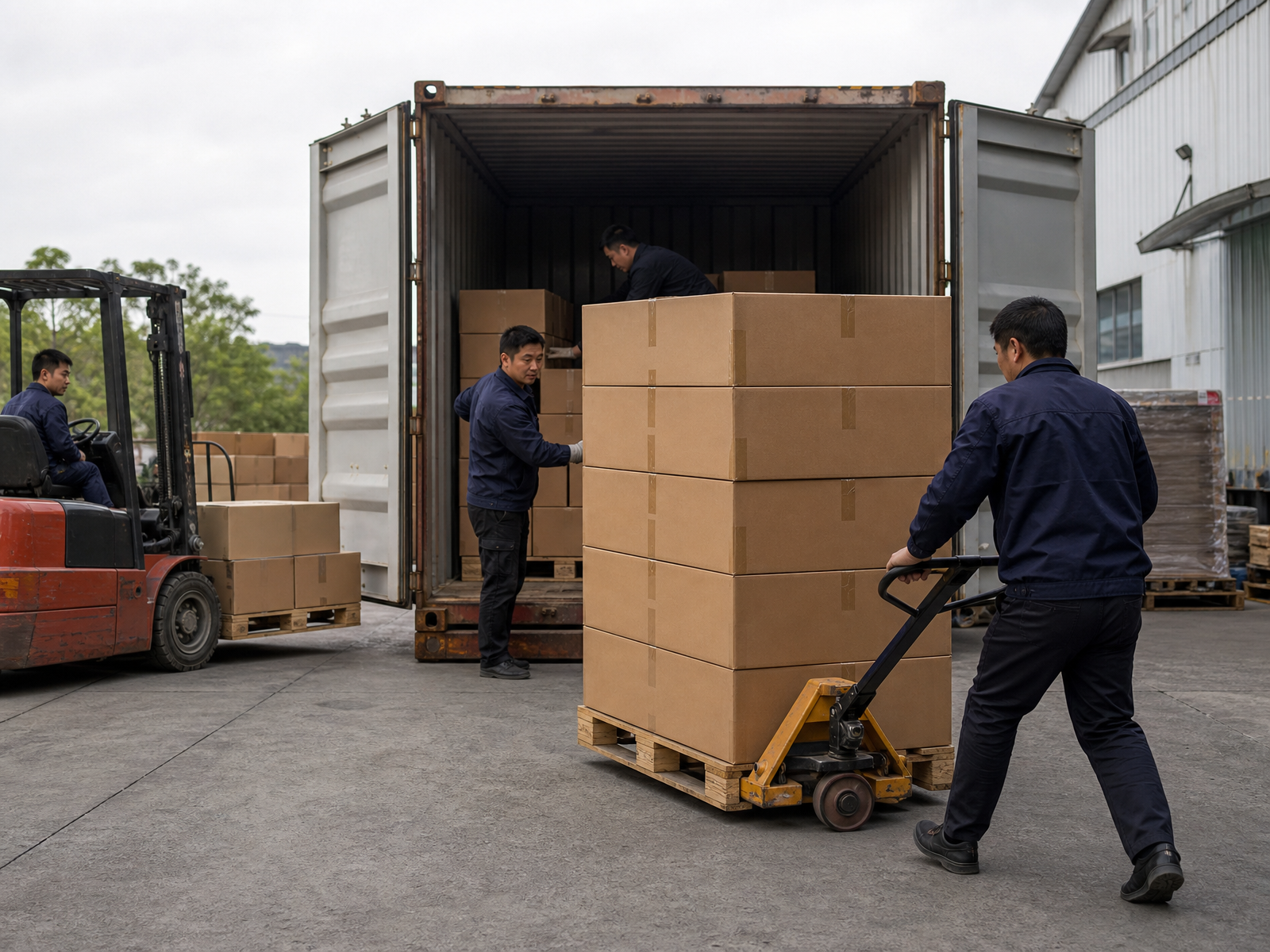
The sourcing route
Step by step, with who does what.
| Step | What happens | Typical duration |
|---|---|---|
| 1. Brief | The buyer sends product type, dimensions, quantity, artwork, use and destination. | Confirmed per project |
| 2. Quotation | The supplier confirms feasibility, specification, price basis and shipping terms. | Confirmed per project |
| 3. Drawing and artwork approval | Scale, colours, print positions and accessories are approved in writing. | Confirmed per project |
| 4. Sample (optional) | A sample confirms shape or colour before bulk production. | Confirmed per project |
| 5. Production | Cutting, printing, assembly and inflation testing. | Confirmed per project |
| 6. Inspection and packing | Pre-shipment checks against the approved specification, then export packing. | Confirmed per project |
| 7. Freight | Air, sea or express to the destination under the agreed Incoterm. | Confirmed per project |
| 8. Import and delivery | Customs clearance, duties and delivery to site. | Confirmed per project |
Commercial terms
The terms to agree before production.
| Term | Typical arrangement | Why it matters |
|---|---|---|
| Payment | Confirmed per project | Sets when production starts and when goods are released |
| Price basis | Confirmed per project | A price means little without the Incoterm and the specification it assumes |
| Quotation validity | Confirmed per project | Material and freight costs move |
| Incoterm | EXW, FOB, CIF or DDP, agreed in writing | Decides who pays and carries risk for each leg of freight and import |
Incoterms
Who pays for what between the factory and your site.
EXW means the buyer collects from the factory and handles everything after. FOB means the supplier delivers the goods onto the vessel at the Chinese port, and the buyer takes over from there. CIF adds sea freight and insurance to the destination port, paid by the supplier, while import clearance stays with the buyer. DDP means the supplier delivers to the buyer's address with duties paid.
For a first order, the choice is mostly about who you trust to handle import. If you already have a freight forwarder and a customs broker in your country, FOB keeps control of freight with you. If you have neither, DDP moves that work to the supplier, and its cost is built into the price.
Supplier checks
What to verify before paying a deposit.
Ask to see evidence that relates to your job, not a general brochure: photographs or video of similar products in production, a written specification for your order, and the name of the company that will issue the invoice and the export documents.
Put the approved drawing, material, air system, accessories, packing and Incoterm in writing before production. Almost every dispute over a custom inflatable is about something that was agreed in a message and never written into the specification.
- The legal entity that invoices and exports the goods
- Production evidence for a product similar to yours
- A written specification signed off before production
- An agreed pre-shipment check, with photos or video of the inflated product
- The Incoterm and exactly what it includes
Common failure points
Where this usually goes wrong.
The specification lives in a chat thread. When the product arrives, the buyer and supplier each remember a different material or size.
No pre-shipment check is agreed. Problems are found when the crate is opened on site, after freight and duties have been paid.
Import is left until the goods are on the water. Without a customs broker or the right documents, the shipment waits at the port.
Checklist
Have these ready before asking for a quote.
- A complete brief: product type, dimensions, quantity, artwork, use, destination and date
- The legal name of the supplier that will invoice and export
- A written specification, approved before production
- The agreed Incoterm and what it includes
- Payment terms in writing
- A pre-shipment inspection method
- A customs broker or import plan in the destination country
FAQ