
Pre-Shipment Inspection for Inflatable Product Replicas: What Buyers Should Check
Before releasing a custom inflatable product replica for shipment, compare dated evidence of the actual inflated unit with the approved drawing and artwork, verify the agreed air system and accessories, and review carton labels and packing. Define acceptance tolerances in the purchase specification: factory photos alone cannot certify rigging, electrical compliance or outdoor safety.
- Inspect against one signed drawing and artwork revision, not an early concept rendering.
- Request front, side, back, three-quarter and close-up views of the identifiable production unit.
- Agree how air-system performance is checked; a short demonstration is not a universal durability test.
- Verify each accessory and packed carton against the purchase order before dispatch.
- Set a written hold, rework and reinspection process before the event deadline.
Why a pre-shipment evidence pack matters
A giant inflatable bottle may look convincing in a mockup yet have a misplaced label, a distorted shoulder or a blower connection that conflicts with the booth plan. The problem can be commercially serious even where the inflatable holds its shape. Brand agencies care about visual identity; event contractors need a workable installation; distributors need repeatable packing and accessories.
This guide addresses non-ridable promotional product replicas. It is not a structural, electrical or occupied-inflatable safety standard. The buyer and supplier should agree the inspection scope before production rather than invent pass criteria after the item is finished.
Start with the controlled approval record
Keep one approved revision of the dimensioned drawing, primary viewing side, artwork, material or finish, inflation method, installation assumptions, quantity and accessory list. If later chat messages contradict the signed specification, resolve the conflict in writing before inspection.
Specify the event city, venue height, access route, available power and deadline. For a bottle replica, record the cap, neck and label proportions that drive recognition; for a can or carton, identify the important rim, edge and front-panel details. Soft structures may require approved simplification of hard-edged packaging features.
Ask for a reproducible photo and video sequence
Request a full front view, left and right side views, a back view and a three-quarter view with the camera far enough away to avoid severe perspective distortion. Include a measurable scale reference or measured finished dimensions in the report. Match viewing direction to the production drawing.
Add close-ups of the logo, small print, joins, valves, blower connection, attachment points and any repair or material substitution. Identify which actual unit was photographed. A brief continuous video showing inflation and the finished shape is useful context, but must not be presented as proof of a test whose conditions or duration were not recorded.
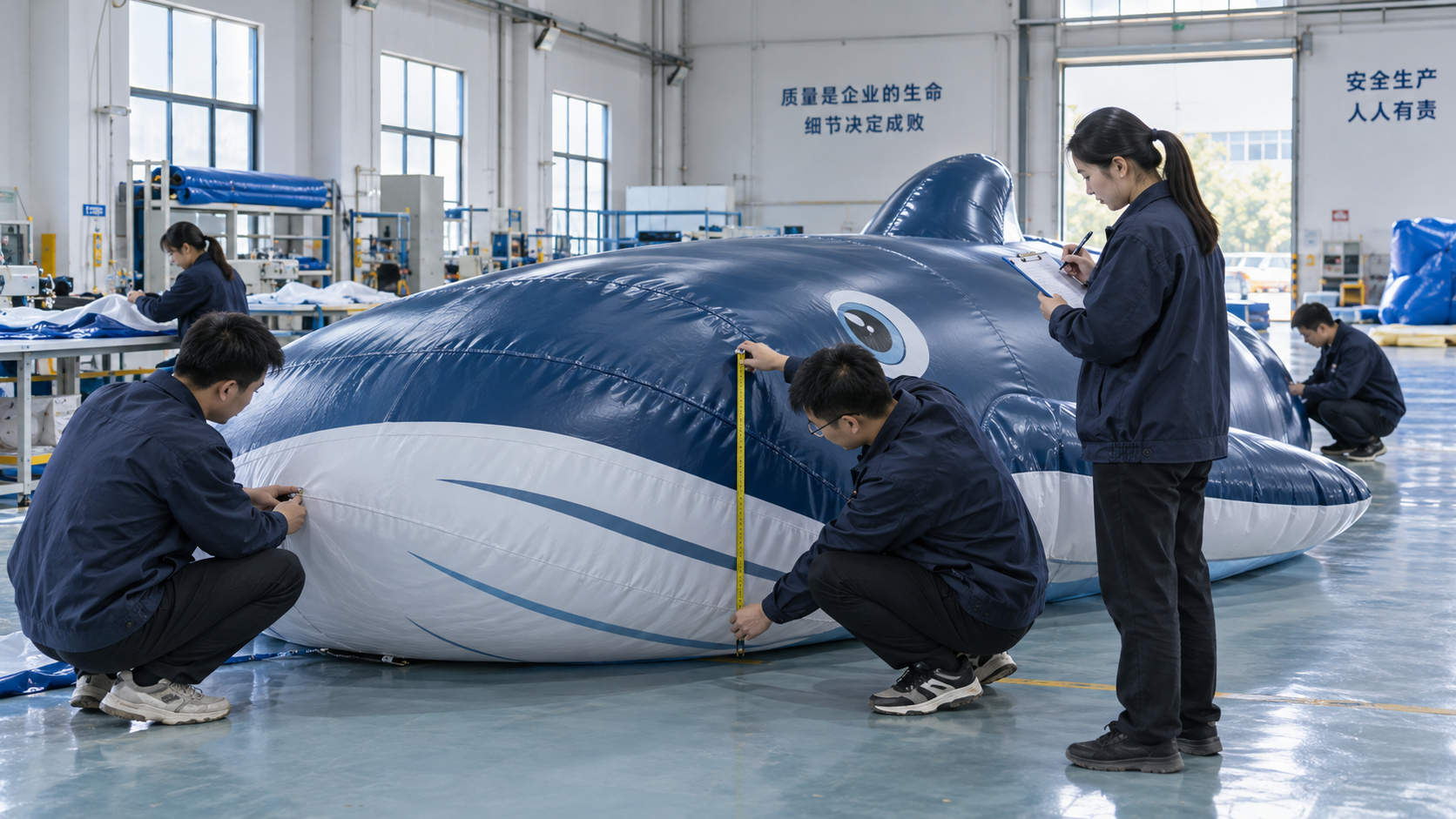
Inspect artwork on the inflated surface
Compare the final logo size, spelling, sponsor order, label position and major color fields with the approved production file. Curved panels, seams and fabric tension change how artwork reads, so check both close up and from the main camera or audience direction.
If a color match matters, agree the reference swatch, illumination and allowable variation in advance. Screen captures are not a reliable physical color standard. Where a campaign uses a QR code, scan the actual printed code from a realistic distance and confirm the destination with the brand owner. Check the reverse side for unplanned text or exposed openings.
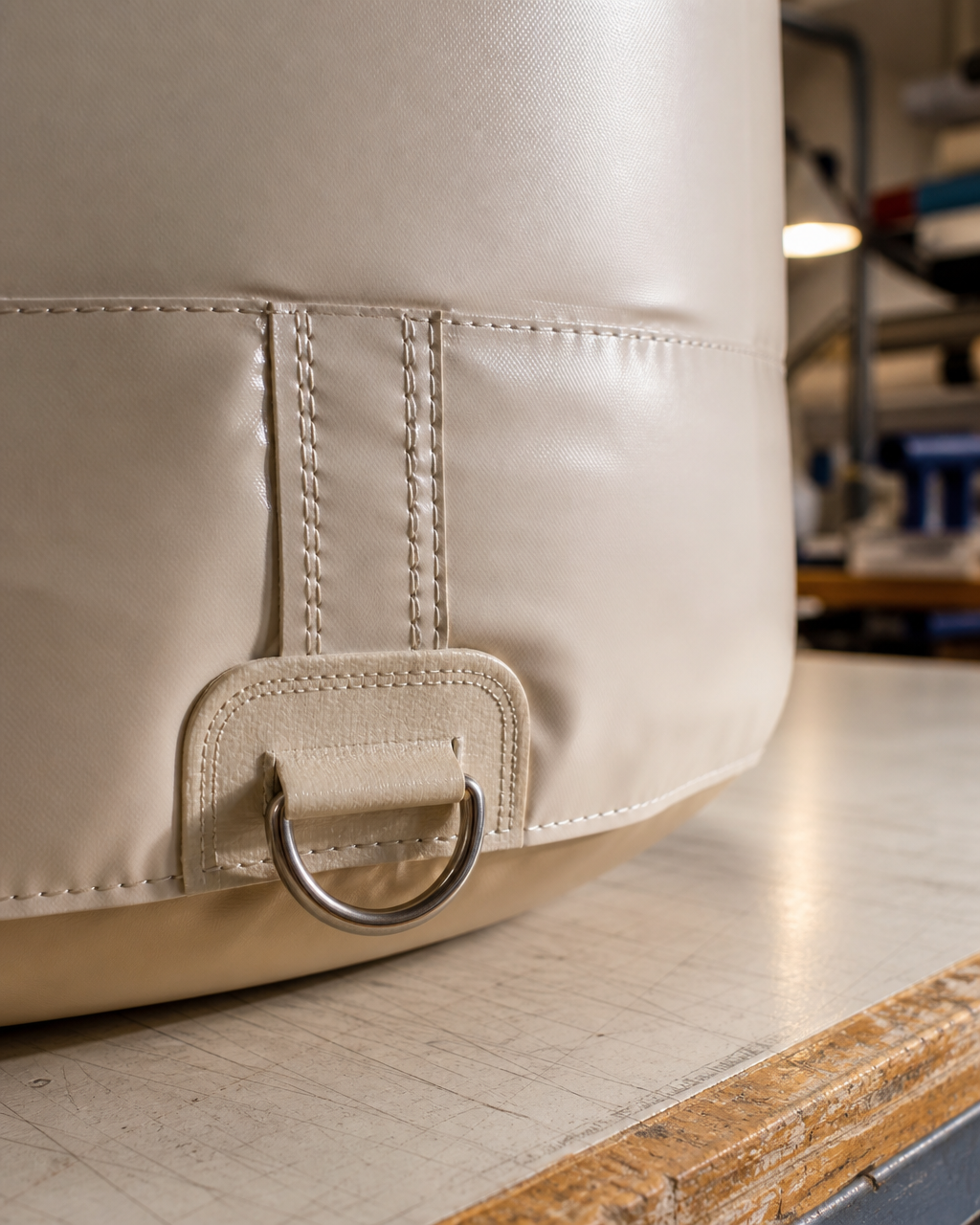
Match the air system to what was ordered
State explicitly whether the product uses continuous air, sealed air or another approved arrangement. For a blower-driven unit, check the fan identifier, labeled voltage, inlet location, cables and access. For a sealed-air unit, review valve closure and the agreed pressure-retention observation. The correct inspection duration depends on the specific design and contract; there is no defensible universal pass time.
For US, UK, Australian or other venues, give the supplier the destination power and documentation requirements before ordering. Do not assume that a plug photograph proves compliance, or that an indoor inflation demonstration establishes safe operation in outdoor wind and rain.
Review seams, attachments and installation limitations
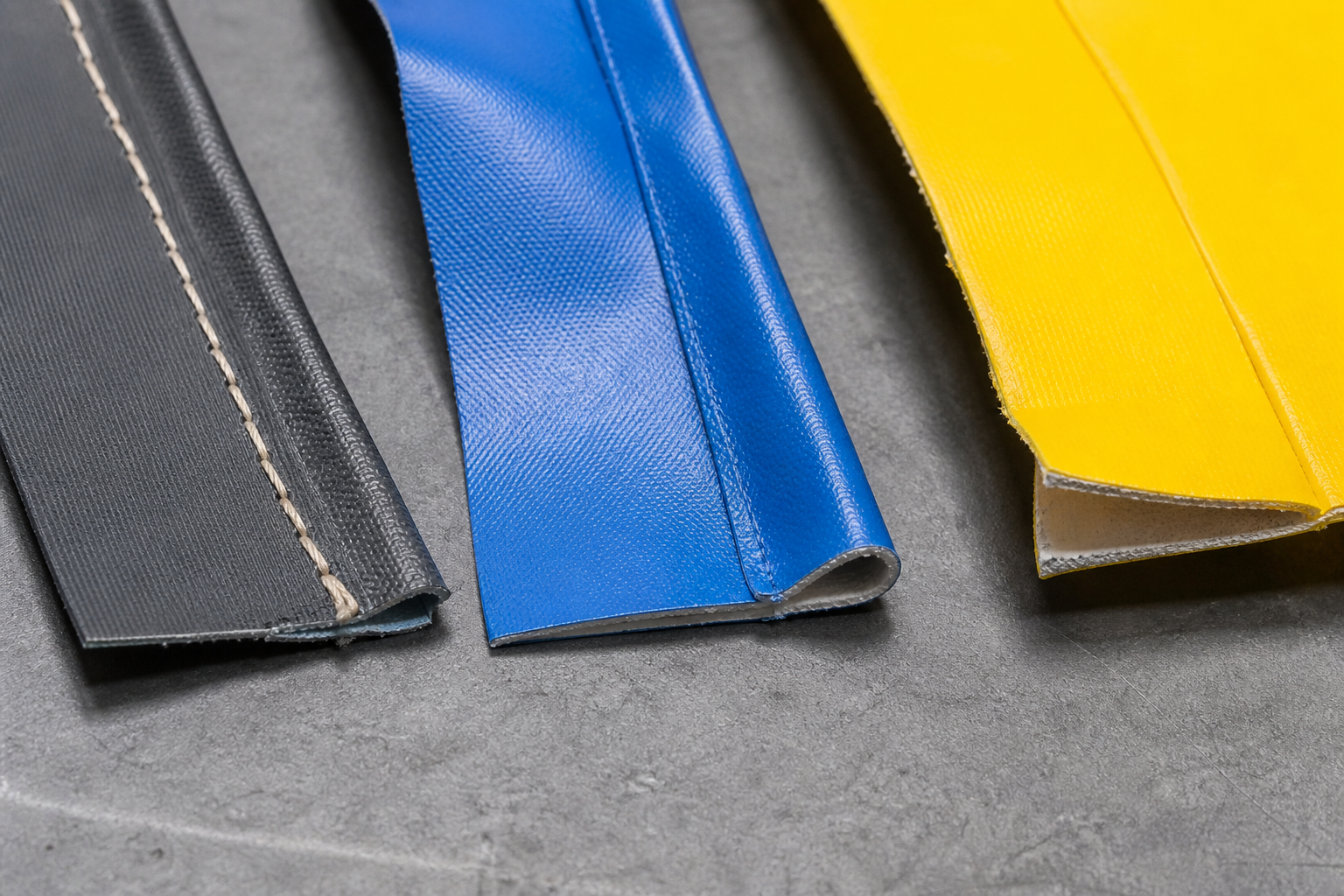
Examine visible joins, reinforcement, zippers, valves and areas that contact the ground. Record open seams, lifting print edges, damage or unapproved modifications. Agree whether a cosmetic deviation is acceptable using the signed specification, not a generic statement that the product passed quality control.
Factory photos cannot establish that a suspended unit is safe. Overhead installations require review by a competent venue rigging professional using the exact product, working loads, approved connection points and applicable local rules. Ground deployment also needs a site-specific anchoring and supervision plan.
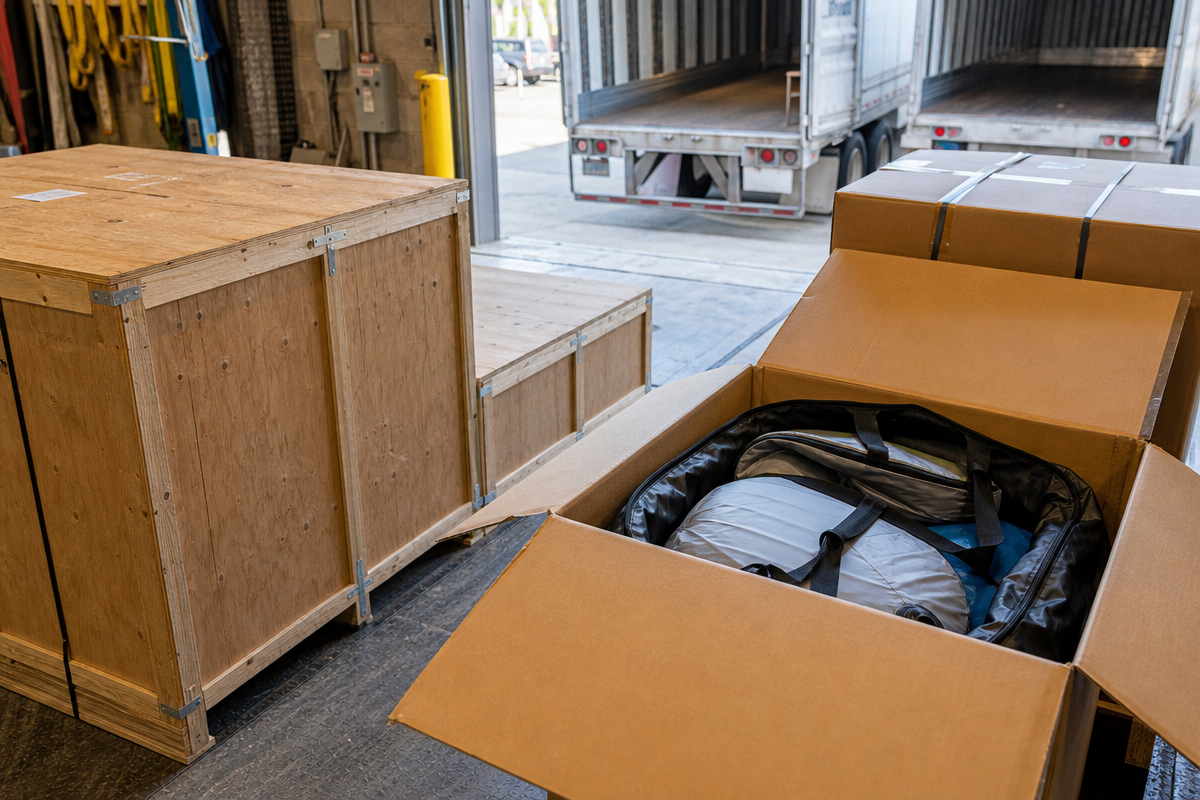
Count accessories and verify the packed goods
Match the quotation to a photographed kit list: inflatable body, blower or pump if included, hose and connectors, storage bag, any specified ropes, repair materials and installation information. Identify components that the venue must supply separately. For multi-site buyers, allocate kits by destination and label them consistently.
Before cartons are sealed, confirm gross weight, length, width, height, carton count, marking and protection for printed surfaces and hard accessories. Packed volume affects freight quotations. Incoterms and the written order determine which party pays for transport, clearance, duties and final delivery; packing photographs do not determine those responsibilities.
Use an acceptance matrix instead of a vague QC label
Create four columns for each requirement: the approved reference, the evidence needed, the permitted variation and the decision owner. Examples include front logo matching artwork revision B, finished dimensions within contractually agreed tolerance, blower model matching the agreed kit, and carton count matching the shipping list.
Record each line as pass, hold for clarification or rework. A wrong primary logo, missing essential accessory or unapproved structural change should not be waived informally. Obtain fresh dated evidence after rework. Where the client has a hard event date, reserve time for inspection review and freight booking rather than approving only after shipment.
Copy this evidence request into your manufacturer RFQ
Please confirm: approved drawing and artwork revision; quantity and dimensions; actual-unit front, side, back and three-quarter photographs; close-ups of graphics and construction details; the agreed inflation observation; accessory count; carton sizes and weights; changes or rework; and the planned dispatch method and date.
Include your product reference images, intended venue, installation method, city and country, quantity, event date and approval contact. InflatCraft can review a project-specific product replica brief and quotation scope; actual production, test conditions and any supporting documents must be confirmed for the order.
Buyer FAQ
Is a design rendering enough to approve shipment?
No. Approve the design first, then request evidence of the finished unit and accessories against that revision.
Does a short inflation video prove outdoor suitability?
No. The video shows only the recorded conditions. Outdoor use requires a separate site, weather and anchoring review.
Must every sealed-air replica pass a 24-hour test?
Use the test duration and measurable acceptance criteria agreed for the actual product. Do not assume one duration applies to every design or to continuous-air products.
Can hanging safety be verified from factory photos?
No. A competent rigger must assess the actual product and venue, loads, attachment points and safety provisions.
What if the branding differs from the proof?
Identify the deviation against the signed artwork and agreed tolerances; request rework or written approval before dispatch.
Can a packing list confirm DDP delivery?
No. Importer responsibility, taxes and delivery scope depend on the agreed commercial terms and destination requirements.