
Buyer Guide
Outdoor Custom Inflatable Logo Signs: Venue Approval and RFQ Guide
An outdoor custom inflatable logo sign needs more than approved artwork. A buyer also needs to agree its installed footprint, readable faces, air and power requirements, anchoring concept, public separation, local approvals and packing scope. This guide explains how to prepare a comparable RFQ without mistaking a striking product rendering for an installation-ready specification.
By InflatCraft Product Team • Last updated
Start with where the logo will be seen
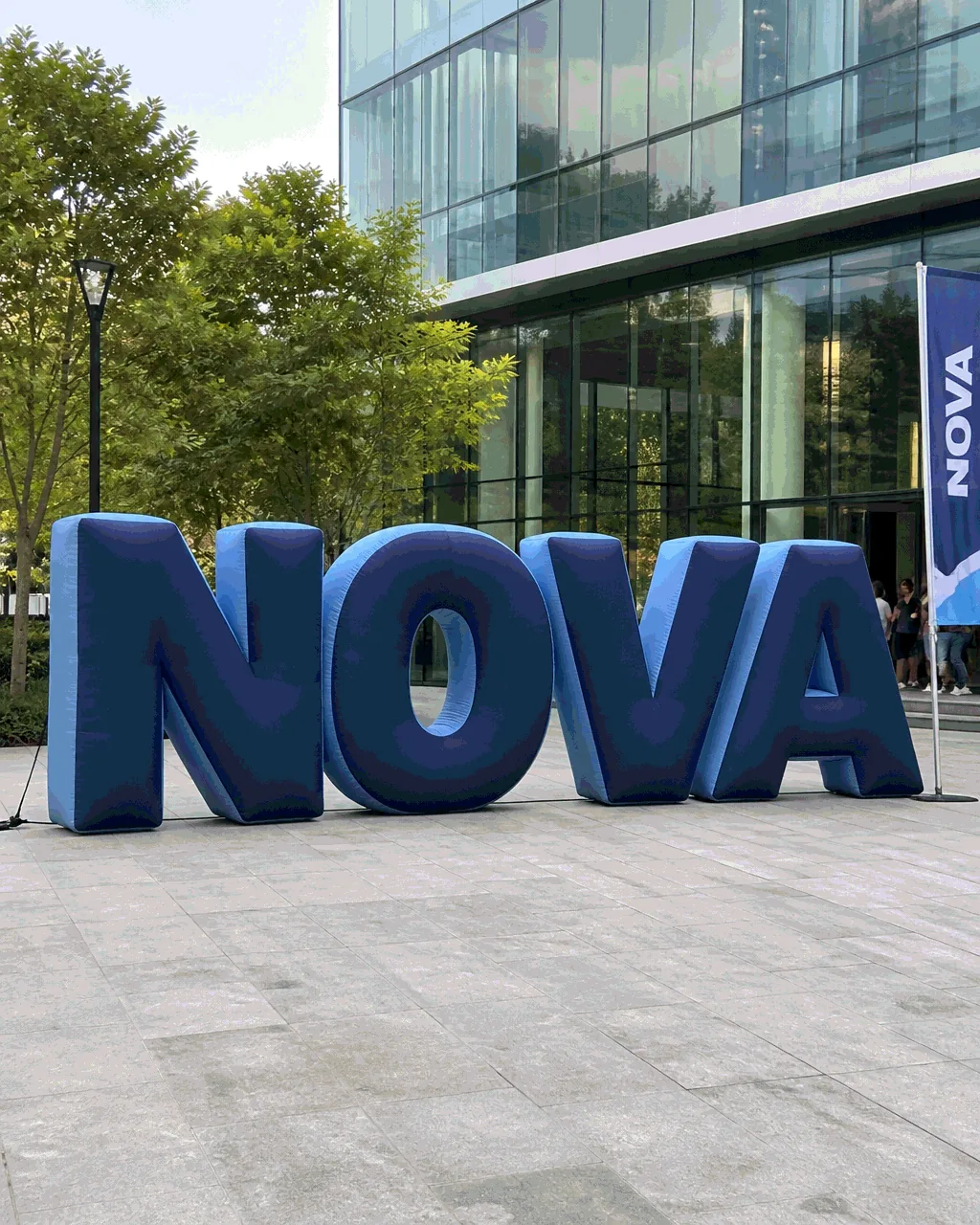
The buying brief changes with the event. A logo that is meant to appear behind interviewees at a sponsorship stand needs a strong camera-facing silhouette. A sign beside a retail launch needs to be readable from people approaching along a walkway. A touring brand activation may require repeated packing and assembly. The right inflated dimensions depend on that job, not on a catalogue's largest available model.
Ask the event team for a marked plan of the proposed location. Record the approach direction, typical viewing distance, allowable height and the maximum occupied area. Include the base, blower, cables, ballast or approved anchor positions, public separation and maintenance access in the installed footprint. The visible logo face can be considerably smaller than that footprint, and a tall-looking rendering does not tell you its depth.
Review the custom inflatable logo signs product specifications before preparing a quote. The brand activation applications page helps translate the campaign goal into an installation brief.
Decide which inflated format actually suits the logo
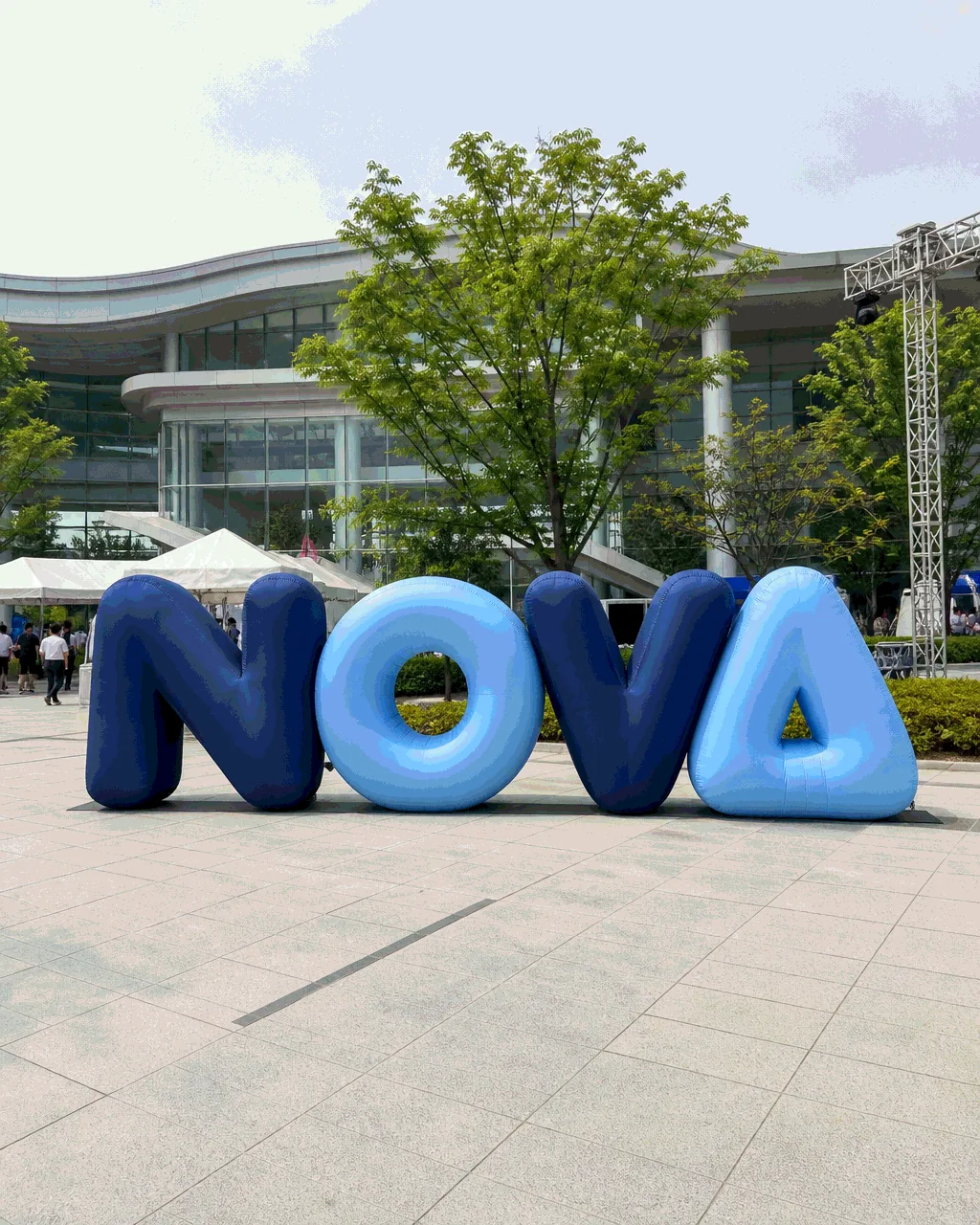
Not every brand mark works as a single three-dimensional object. Thin strokes, small enclosed spaces and long wordmarks may need simplified structural lines or a different format. Ask the supplier to compare options against the same approved artwork and the same location.
| Format | Main benefit | What the buyer must approve |
|---|---|---|
| Freestanding shaped emblem | One recognizable silhouette from selected viewing angles | Overall height, base depth, rear profile and fixing arrangement |
| Connected inflatable wordmark | Controlled letter spacing in a single campaign display | Overall span, narrow letters, joins and handling method |
| Separate inflatable letters | Flexible reconfiguration or replacement between events | Number of units, per-letter equipment, layout and setup labor |
| Elevated or suspended inflatable sign | Visual position above ground-level activity, where permitted | A separate competent rigging proposal and venue permission |
A freestanding unit cannot be made suitable for overhead suspension just by adding straps. If a venue cannot approve a proposed position, change the format or location before authorizing production.
Convert vector artwork into a readable inflated shape
Send the authorized vector logo, its brand color references and the rules for minimum clear space. Identify which features are essential for recognition. Air-supported structures tend to round sharp corners; deep or tight letter counters can become visually smaller, while seam positions may alter a solid color field. The factory should show a front view, a side view and a three-quarter view of the proposed inflated body.
At the intended audience distance, verify the main silhouette before smaller copy. A fine tagline that looks elegant on a monitor may be too small when photographed from across a plaza. Consider placing detailed information on a separate printed board rather than forcing it into the inflatable geometry.
Use the artwork and print file guide to agree which flat artwork and print-map proofs will be reviewed. Approving the color image is not approval of the physical installation.
Give the supplier, agency and venue one consistent site brief
An early price can become misleading when the agency assumes that ballast, barriers, electrical equipment or a local installer are included but the supplier is pricing only the inflatable body. Prepare a shared site brief with the following information:
- Installation city, venue and site photographs with measurements or a scaled sketch.
- Maximum occupied width, depth and height, plus exits, public walking routes and the proposed audience-facing side.
- Surface type—such as grass, paving, concrete or temporary decking—and whether any ground penetration or fixed attachment is permitted.
- Available power, local voltage and plugs, expected cable route, blower noise restrictions and operating hours.
- Setup and dismantling windows, event opening time, required delivery date and a local supervising contact.
- Organizer's approval documents, insurance or site requirements, weather monitoring responsibility and shutdown procedure.
The United States, United Kingdom and Australia all have differing local and venue requirements. A manufacturer can supply product details and an equipment proposal, but the organizer and competent local parties must decide whether the finished installation can be accepted at that site. No single factory document is a universal event permit.
Confirm the air system, electrical scope and interruption plan
InflatCraft's current logo-sign product category describes a continuous-air structure. Buyers should not assume a photographed sign is a sealed-air product that remains inflated without power. Ask for the proposed blower, power consumption information where available, destination electrical configuration, cable routing, operating access and who is responsible for connecting and supervising the equipment.
Consider failure scenarios before approving the layout. What happens if the blower stops? Can equipment remain outside visitor contact? Would a cable cross a pedestrian route? Can the operator inspect the unit without entering a crowded public area? Any proposed electrical system must be reviewed against the actual venue and local requirements by the responsible qualified person. A general statement such as “outdoor suitable” is not a substitute for those checks.
Review fixing, wind exposure and public separation together
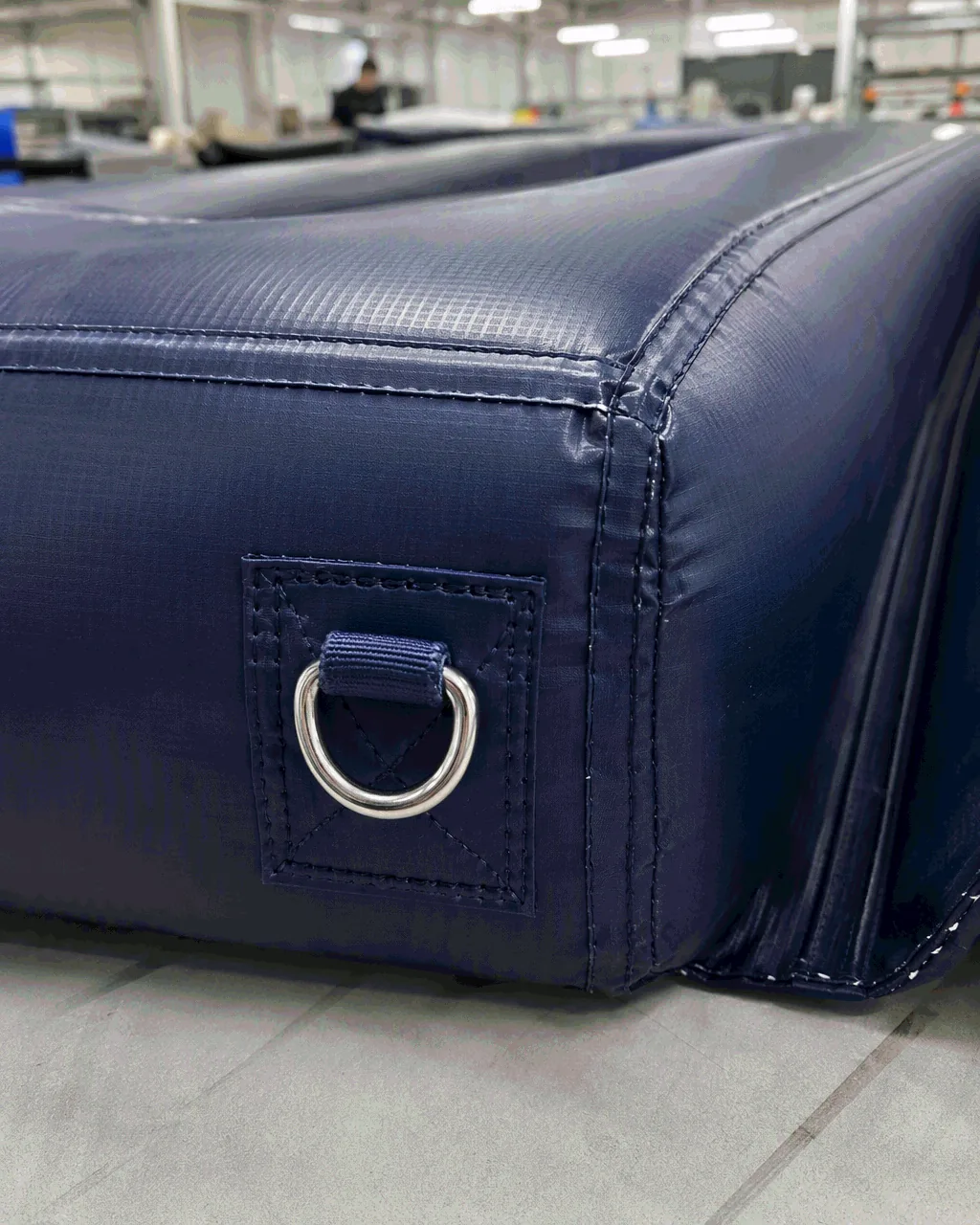
Turf, a paved pedestrian plaza and temporary event decking need different fixing assessments. An attachment point shown on a sales image should not be treated as proof of its allowable load. Request a proposed arrangement showing tie points, any stakes or ballast, equipment locations, visitor separation and the agreed limits of use.
A blanket wind-speed claim is not appropriate without a particular product design, site condition and competent assessment. The organizer should identify who monitors the weather, who is authorized to stop use, and how the display will be made safe. Refer to the outdoor inflatable anchoring and ballast guide when preparing your site questions; it is a procurement aid, not engineering approval or a replacement for a local risk assessment.
Separate design approval, quotation and pre-dispatch evidence
A practical project has several approval gates. Keeping them separate prevents a marketing rendering from being treated as manufacturing or site safety evidence.
| Gate | Evidence to request | What it does not establish |
|---|---|---|
| Design approval | Dimensioned front and side drawings, color proof, print layout | Stability, local permission or electrical suitability |
| Commercial approval | Itemized body, blower, accessories, packing, freight basis and exclusions | Local labor unless explicitly quoted |
| Pre-dispatch review | Agreed images or video of the completed product, inflation check and accessory packing list | Venue acceptance or certified installed performance |
| Local handover | Assembly guidance, named supervising team and weather stop procedure | Substitution for organizer and competent local review |
For a touring brand activation, maintain a controlled drawing revision, common color reference and standardized accessory list. Where several units ship to different locations, label the packages by unit or destination and agree how the local team records damage or missing items before setup.
Compare the total project scope—not a headline unit price
Two quotations can use the same logo and appear different because one includes blower equipment and export packing while the other covers only the inflatable envelope. Ask each supplier to quote the same finished size, print coverage, material proposal, accessory requirements, quantity and delivery destination. Keep local site installation, permits and electrical connection responsibilities explicit rather than implied.
Give the supplier a required arrival date, not just an event date. Allow for unpacking, inspection, setup and any local approvals. Confirm packed dimensions and gross weight after the approved design and its accessories are known; transport cost depends on the packed project, not merely on the inflated height. Identify the agreed trade term and who is responsible for importing and local delivery.
Copy this concise B2B RFQ checklist
To request a useful proposal, send the following:
- Product: Custom inflatable logo sign for a temporary outdoor brand activation.
- Artwork: Authorized vector file, brand colors, essential features and required viewing side.
- Size: Preferred inflated dimensions or a measured maximum installed footprint.
- Quantity: Number of units, artwork variants and any repeat-event requirement.
- Site: City, surface, audience flow, fixing restrictions, power availability and operating hours.
- Schedule: Required arrival date, event date and local installation window.
- Quote scope: Inflatable body, air equipment, fixings, spares, packing, freight and any service exclusions.
- Approvals: Who signs off the artwork, who accepts the technical installation and who will supervise operation.
Mark anything unknown as to be reviewed, rather than supplying a guess. Compare supplier replies by confirmed items, proposals requiring review and explicit exclusions. Review custom inflatable logo signs, then request a quote or send the brief to sales@inflatcraft.com.
Next step: Submit a custom inflatable logo sign RFQ with your logo file, venue footprint, quantity and arrival date. InflatCraft's public enquiry address is sales@inflatcraft.com.
Custom Inflatable Letters & Signage Guides
More on custom inflatable letters, logo signs and light-up brand displays.
Custom Inflatable Letters Manufacturer: B2B Buying Guide
A practical B2B guide to custom inflatable letters, giant letter displays, wholesale sourcing, artwork, lighting, outdoor planning, packing and RFQ requirements.
LED Inflatable Letters & Custom Logo Inflatables
How B2B buyers should specify LED inflatable letters, light-up inflatable letters, custom logo inflatables and promotional inflatable signs for events and branded spaces.
Compare sizes, materials and air systems on the inflatable logo signs and letter displays page before sending an RFQ.
Relevant Product Pages
Compare specifications before submitting an RFQ.
Outdoor Venue and Artwork Planning
Buyer FAQ
