
Buyer Guide
What Affects the Cost of a Custom Inflatable? A Practical Buyer's Guide
The cost of a custom inflatable is usually shaped by material choice, total size, structural complexity, artwork and print coverage, accessories, quantity, and shipping. A simple shape made in one material can cost far less than a detailed replica or a display that needs lighting, sealed air, or special packaging. Buyers should send a complete RFQ so the factory can quote the actual project instead of guessing from one photo.
By InflatCraft Product Team • Last updated September 2, 2026
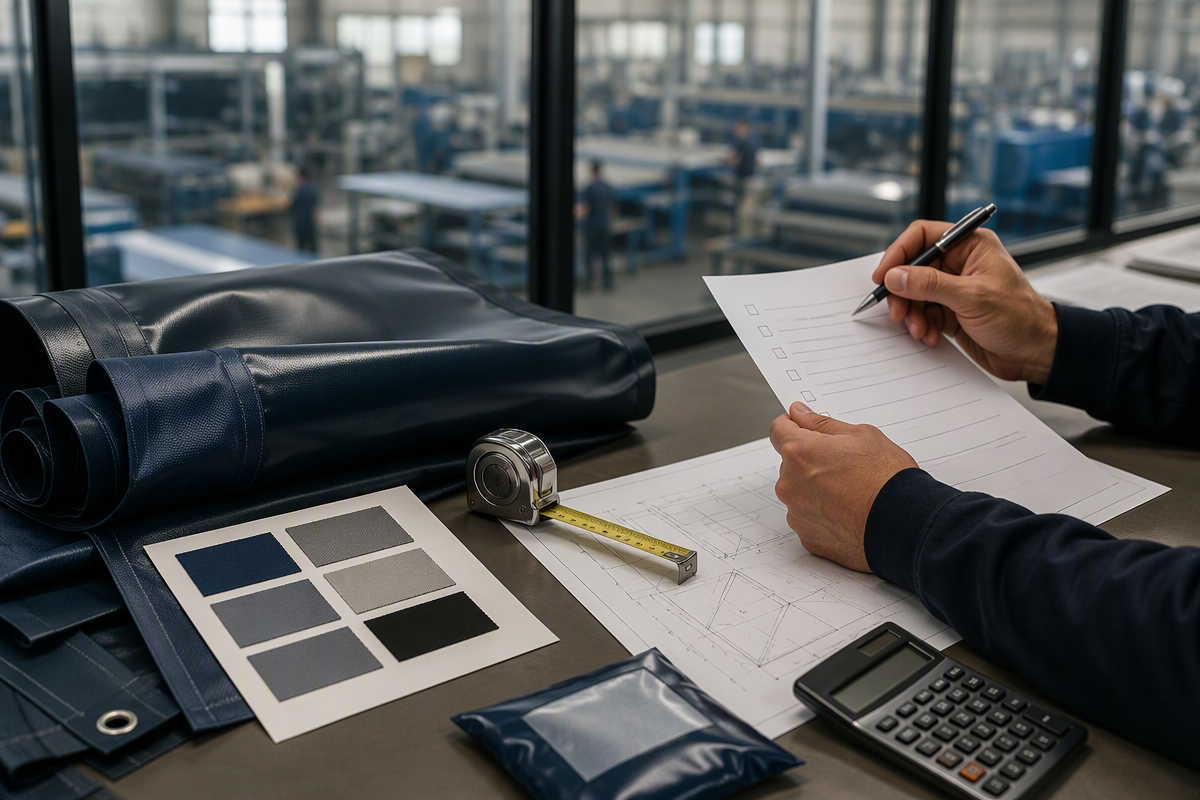
How does a manufacturer calculate the price?
A factory quote reflects more than fabric and air. It also covers pattern making, stitching, printing, reinforcement, testing, packing, and the labor needed to build the approved shape. When a project is more detailed, the price can rise even if the finished display is not dramatically larger.
The most useful way to think about pricing is to separate the visible shape from the engineering behind it. A complex form with many seams, chambers, or custom details can take much more time to produce than a simple arch or block shape.
Why does size matter so much?
As size increases, the surface area, reinforcement needs, and packed volume usually increase too. That means more material, more stitching, more handling, and often higher freight cost. The final size should always be reviewed together with the installation space and the destination plan.
Buyers should give the manufacturer the target width, height, and depth rather than only saying “big” or “small.” The quote is much more accurate when the factory can see how the display will actually fit the event space or storefront.
How do shape complexity and product type affect cost?
A simple inflatable arch or a rectangular wall is usually straightforward. A giant product replica or mascot with curves, hands, handles, or other fine details needs more pattern work and more manual assembly. That extra labor is a real part of the cost.
If the project uses multiple chambers, unusual angles, or a custom sculpture-like shape, the factory will usually need more design time and more checking before production starts.
Which material is right: PVC or Oxford?
Oxford fabric is often a good choice for indoor events or shorter-term use because it is light and easy to pack. PVC is usually preferred when the project needs stronger outdoor durability, easier cleaning, or more robust construction. The right answer depends on the project environment.
Material grade also affects sewing time, seam structure, and the amount of finishing work. Buyers should ask the supplier to explain why one material is recommended instead of assuming the cheapest option is always the best fit.
What other options can raise or lower the quote?
Artwork coverage, logo placements, internal LED lighting, continuous blowers, sealed-air technology, and special accessories all affect the price. More print coverage generally means more artwork work and ink usage, while lighting and sealed-air systems add extra parts and assembly steps.
Outdoor inflatables may also need reinforced D-rings, weighted bases, weather-resistant details, or repair kits. Those accessories should be listed in the RFQ so the quote reflects the complete project.
How do quantity, packing, and shipping change the final number?
Sample orders usually cost more per unit because setup and artwork work are spread across one piece instead of many. Bulk orders lower the unit cost because the fixed work is shared across more units. This is why quantity should always be listed clearly in the RFQ.
Packing method, carton or crate size, and destination country all affect freight. A factory quote is often EXW or FOB unless another shipping basis is requested, so buyers should ask the supplier to separate product cost from logistics cost when comparing offers.
Relevant Product Pages
Compare specifications before submitting an RFQ.
Related Project Example
Buyer FAQ
Additional specification questions.
Specification Review