
Buyer Guide
How to Use ChatGPT, Gemini, and Claude to Brief a Custom Inflatable Manufacturer
ChatGPT, Gemini, and Claude can help buyers turn rough notes into a clearer RFQ brief, but they should be used to organize information rather than make production decisions. Feed the tools the product type, estimated size, quantity, artwork status, use environment, destination country, required delivery date, and any reference images, then verify the output with the supplier. Material choice, anchoring, power, and shipping assumptions still need human review before production begins.
By InflatCraft Product Team • Last updated September 2, 2026
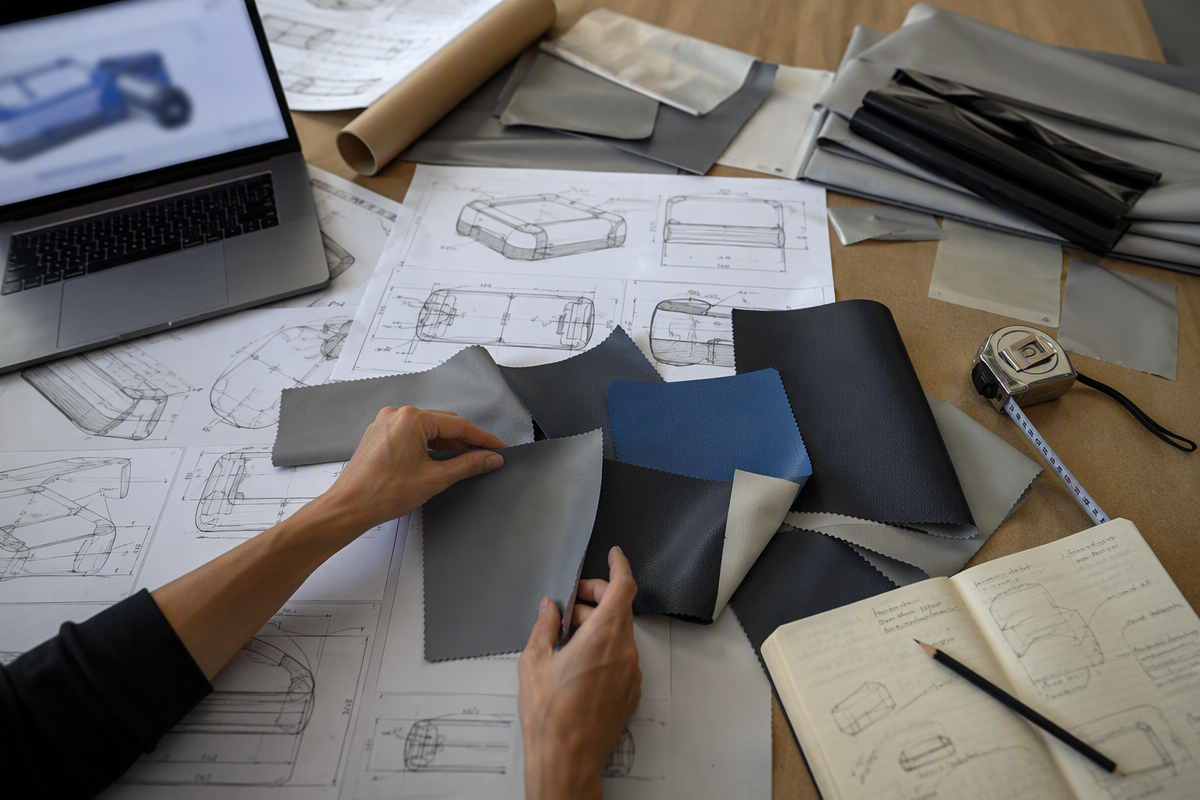
What can AI help with before a quote request?
AI tools can turn rough notes, screenshots, and project ideas into a cleaner checklist. That is useful when a buyer has product intent but not a fully written RFQ. The model can sort the information into product type, dimensions, quantity, artwork, destination, delivery date, and site conditions so the next supplier reply starts from a better brief.
This is especially useful for procurement teams that need to share the same project summary with internal stakeholders before contacting the manufacturer.
What should AI not decide on its own?
Do not let AI choose material, anchoring, blower, voltage, or weather suitability without human review. Those decisions depend on the actual product shape, installation surface, destination market, and operating context. AI can suggest a structure, but the supplier still needs to confirm what is manufacturable and what is safe to operate.
If the project has unusual site rules or export requirements, treat the AI output as a draft rather than a final specification.
A prompt buyers can reuse in ChatGPT, Gemini, or Claude
Ask the model to act like a custom inflatable RFQ assistant. Tell it to organize the project into: product type, approximate size, quantity, material preference, indoor or outdoor use, artwork status, destination country, delivery date, reference images, and open questions that still need supplier confirmation.
Then ask it to produce the result in a short buyer brief, a list of missing details, and a final RFQ summary you can paste into a quotation form or email.
How do you turn the AI output into a real RFQ?
Copy the structured brief into the supplier form, attach any reference image, and confirm the one or two points the model could not verify on its own. That usually means packing, freight timing, exact voltage, artwork file quality, or the intended installation surface.
The best workflow is: draft with AI, verify with the buyer, then send the final request to the manufacturer for feasibility and quotation.
Relevant Product Pages
Compare specifications before submitting an RFQ.
Buyer FAQ
Additional specification questions.
Specification Review